Gum Disease Treatment
San Antonio, TX
Most cases of gum disease respond well to non-surgical treatments like scaling and root planing, especially when caught in the earlier stages. But for patients with advanced periodontitis, deep pockets that don't resolve with conservative care, or significant bone loss around the teeth, surgical intervention at Aesthetic Periodontal & Implant Specialists may be necessary to fully address the infection and restore a stable, healthy foundation for the teeth.
When Non-Surgical Treatment Isn't Enough
Surgical treatment isn't a sign that something has gone wrong with prior care; rather, it reflects the reality that some cases of periodontal disease have progressed to a point where deeper structural issues need to be addressed directly. Being aware of the available surgical options can help ease any apprehension about what these procedures actually involve.
Modern periodontal surgery has evolved considerably, with an emphasis on precision, patient comfort, and preserving as much healthy tissue as possible.
Flap Surgery for Deep Pocket Reduction
One of the most common surgical treatments for advanced gum disease is flap surgery, also known as pocket reduction surgery. During this procedure, the gum tissue is gently lifted away from the teeth, allowing direct access to the roots and underlying bone. This exposes areas that are otherwise impossible to clean thoroughly, even with scaling and root planing, allowing for complete removal of bacterial deposits and infected tissue.
Once the area has been thoroughly cleaned, the bone may be reshaped if it has developed irregular contours from the disease process. The gum tissue is then repositioned and sutured back into place, fitting more closely against the tooth to reduce pocket depth. Smaller pockets are significantly easier to keep clean going forward, both at home and during professional maintenance visits, which helps prevent bacteria from reestablishing an infection.
The procedure is typically performed under local anesthesia, and most patients describe the experience as far less daunting than they anticipated. Because the tissue is repositioned and secured with sutures at the conclusion of the procedure, healing generally progresses in a predictable manner over the following one to two weeks, with follow-up visits scheduled to monitor progress and remove sutures if needed.
Bone and Tissue Grafting
In cases where periodontal disease has caused significant bone loss, grafting procedures may be recommended to help regenerate lost structure. Bone grafting involves placing graft material in areas where bone has deteriorated, encouraging the body's natural healing processes to regenerate new bone tissue over time. This added support can help stabilize teeth that might otherwise become loose due to compromised bone structure.
Similarly, soft tissue grafting can address areas where the gums have receded significantly, exposing tooth roots and creating both cosmetic concerns and increased sensitivity. Tissue taken from another area of the mouth, or specialized graft material, is used to rebuild the gumline and cover exposed root surfaces, restoring both function and appearance.
Both bone and soft tissue grafting typically involve a healing period during which the graft material integrates with the surrounding tissue. Patients are usually given specific dietary and activity guidelines during this time to protect the treated area and support successful integration, with most seeing significant improvement in both comfort and appearance as healing progresses.
Guided Tissue Regeneration
For patients with specific patterns of bone loss, guided tissue regeneration offers another option for restoring lost structure. This procedure involves placing a special membrane between the bone and gum tissue during surgery, which prevents faster-growing gum tissue from filling in the space where bone regeneration should occur. This gives slower-growing bone and ligament cells the opportunity to regenerate properly, ultimately leading to a stronger, more stable foundation for the affected teeth.
This technique is often combined with bone grafting to maximize the potential for regeneration, particularly in areas with more complex bone loss patterns.
Guided tissue regeneration requires patience, as bone regenerates far more slowly than soft tissue heals. It can take several months for the full benefits of this procedure to become apparent, but for patients with the right pattern of bone loss, the long-term stability gained often makes the process well worth the wait.
The membrane used in this procedure is typically designed to either dissolve naturally over time or is removed during a follow-up appointment, depending on the specific material selected. This approach has proven particularly valuable in areas where bone loss has created deep, narrow defects around a tooth root, giving the body's own regenerative processes the time and space needed to rebuild lost structure effectively.
Recovery and Long-Term Outcomes
Recovery from periodontal surgery varies depending on the extent of the procedure, but most patients can expect some swelling and tenderness in the days following treatment, along with dietary modifications and specific oral hygiene instructions during the initial healing period. Pain is generally well managed with prescribed medication, and most patients return to normal activities within a short period.
The long-term outlook following surgical treatment is often very favorable, particularly when combined with a committed periodontal maintenance schedule and diligent home care. Reduced pocket depths make it significantly easier to keep the area clean going forward, lowering the risk of continued bone loss and helping to preserve natural teeth for the long term.
Patients often report that the anticipation of surgery is more stressful than the procedure and recovery itself. With modern anesthesia techniques and clear postoperative guidance, most people find the experience manageable and are pleasantly surprised by how quickly they return to feeling like themselves again.
Patients often notice a meaningful improvement not just in the health of their gums, but in day-to-day comfort as well, with less sensitivity, reduced bleeding, and an easier time keeping the treated areas clean during regular brushing and flossing. These improvements tend to reinforce good habits, as patients see and feel the direct benefit of consistent home care working alongside the results achieved through surgery.
Determining if Surgery Is Right for You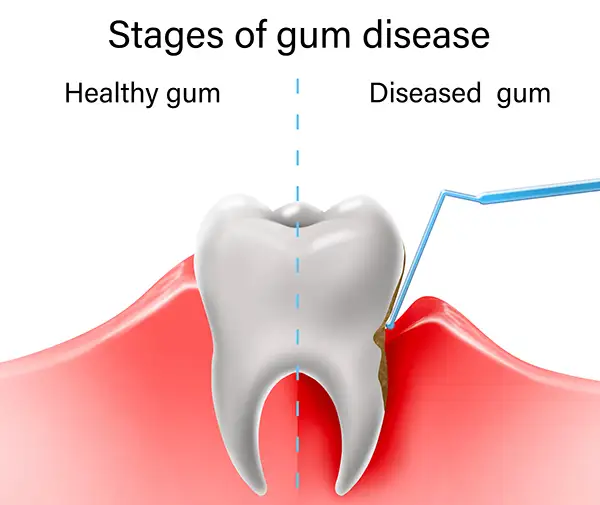
Not every case of advanced gum disease requires surgical intervention, and the decision to move forward with a surgical procedure is always based on a careful evaluation of pocket depths, bone loss patterns, and how well the area has responded to prior non-surgical treatment. At Aesthetic Periodontal & Implant Specialists, our dentists will walk you through your specific diagnosis and explain exactly what surgical treatment would involve, along with the expected outcome for your individual case.
If you've been told that surgical treatment may be necessary for your gum disease, or if you have questions about what these procedures involve, call (210) 614-4700 to schedule a consultation and discuss the best path forward for your oral health.
|