Tartar Affects Your Heart - Find Out How
Posted on 4/15/2026 by Amir Hosseini, DDS |
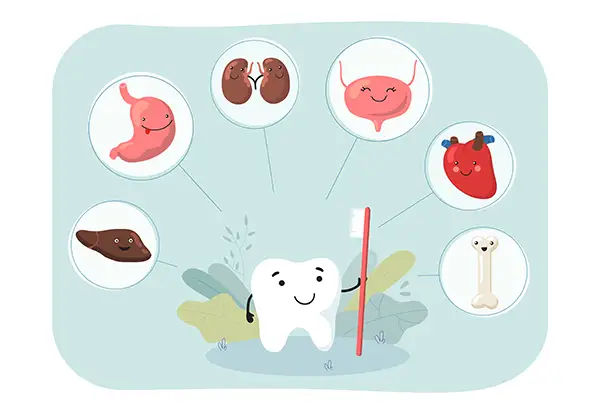 Have you ever wondered if what's happening in your mouth can impact the rest of your body? It's a fascinating and important question, and the answer, surprisingly, is a resounding YES! The state of your mouth, especially the presence of tartar, can have far-reaching effects, potentially even influencing your heart health. Let's explore this connection and what you can do to protect yourself. Have you ever wondered if what's happening in your mouth can impact the rest of your body? It's a fascinating and important question, and the answer, surprisingly, is a resounding YES! The state of your mouth, especially the presence of tartar, can have far-reaching effects, potentially even influencing your heart health. Let's explore this connection and what you can do to protect yourself.
Understanding Tartar's Role
Tartar, also known as calculus, is that hard, crusty deposit that forms on your teeth, usually near the gum line. It's basically hardened plaque. Plaque itself is a sticky film of bacteria that constantly forms on our teeth. If plaque isn't removed regularly through brushing and flossing, it mineralizes and hardens into tartar.
Unlike plaque, which you can remove with good oral care habits at home, tartar is strongly bonded to the tooth surface and can only be removed by a dental professional. This is why regular dental cleanings are so crucial.
The Oral-Systemic Link
The connection between oral health and overall health is increasingly well-documented. Scientists have found links between oral infections and several systemic diseases, including cardiovascular disease. The theory is that bacteria from oral infections, like those associated with tartar buildup and gum disease, can enter the bloodstream.
Once in the bloodstream, these bacteria can trigger inflammation throughout the body. Inflammation is a natural response to injury or infection, but chronic inflammation can damage blood vessels and contribute to the development of atherosclerosis – the hardening and narrowing of the arteries. This is a major risk factor for heart attacks and strokes.
Gum Disease and Heart Disease: A Closer Look
Tartar plays a significant role in the development of gum disease (periodontitis). The rough surface of tartar provides an ideal breeding ground for bacteria, leading to inflammation of the gums. Over time, this inflammation can destroy the tissues and bone that support your teeth, leading to tooth loss.
Studies have shown a correlation between severe gum disease and an increased risk of heart disease. While the exact nature of the relationship is still being investigated, the evidence suggests that the inflammation caused by gum disease may contribute to the development of heart problems.
Protecting Your Heart Through Oral Care
The good news is that you can take proactive steps to protect both your oral health and your heart health! The foundation is excellent oral care.
| • |
Brush Twice a Day: Use fluoride toothpaste and a soft-bristled toothbrush to remove plaque and food particles. |
| • |
Floss Daily: Flossing removes plaque from between your teeth and along the gum line, areas that your toothbrush can't reach. |
| • |
Regular Dental Visits: Professional cleanings are essential for removing tartar buildup and detecting early signs of gum disease. Your dentist can also provide personalized recommendations for improving your oral hygiene. |
| • |
Healthy Lifestyle Choices: A balanced diet, regular exercise, and avoiding smoking all contribute to both good oral health and a healthy heart. |
In Conclusion
Taking care of your mouth is an investment in your overall well-being. By preventing tartar buildup and maintaining good oral health, you're not just protecting your teeth and gums; you're also potentially reducing your risk of heart problems. Make oral care a priority, and talk to your dental professional about any concerns you have regarding your oral health and its connection to your overall health. Your heart will thank you!
|
|