Do Your Gums Have Pockets?
Posted on 4/1/2026 by Amir Hosseini, DDS |
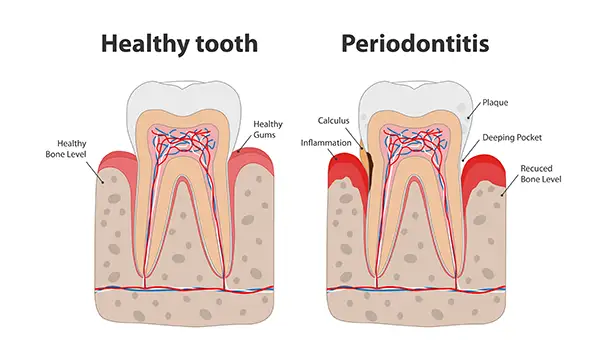 Let's talk about your gums. They're more than just pink tissue; they're the foundation for healthy teeth and a confident smile. But sometimes, hidden problems can develop beneath the surface. Have you ever heard of gum pockets? They're more common than you might think, and understanding them is key to maintaining excellent oral care. Let's talk about your gums. They're more than just pink tissue; they're the foundation for healthy teeth and a confident smile. But sometimes, hidden problems can develop beneath the surface. Have you ever heard of gum pockets? They're more common than you might think, and understanding them is key to maintaining excellent oral care.
# What Are Gum Pockets?
Imagine your teeth as posts standing tall in the ground. Your gums act like the soil around those posts, holding them firmly in place. Healthy gums fit snugly against each tooth, creating a shallow space called the sulcus. This space is usually only a few millimeters deep.
However, when gum disease develops, this shallow space can deepen, forming what we call a gum pocket. These pockets are spaces that separate the gums from the teeth. They provide a haven for bacteria and debris, making it difficult to keep your teeth truly clean, even with diligent brushing and flossing.
# Why Do Gum Pockets Form?
The primary culprit behind gum pocket formation is plaque. Plaque is that sticky film that constantly forms on your teeth. It's full of bacteria that feed on sugars and starches in your mouth. When plaque isn't removed regularly through brushing and flossing, it hardens into tartar, also known as calculus. Tartar is much harder to remove and creates an even rougher surface for more plaque to accumulate.
The bacteria in plaque and tartar produce toxins that irritate the gums, leading to inflammation, called gingivitis. If gingivitis is left untreated, it can progress to periodontitis, a more serious form of gum disease. Periodontitis destroys the tissues and bone that hold your teeth in place, causing the gums to pull away from the teeth and form those troublesome gum pockets.
# Why Are Gum Pockets a Problem?
Gum pockets are problematic because they create a vicious cycle. The deeper the pocket, the more bacteria and debris accumulate. The more bacteria and debris, the more inflammation and tissue destruction occur. This can eventually lead to tooth loosening, tooth loss, and even affect your overall health. Research has linked gum disease to other health problems, such as heart disease, diabetes, and respiratory infections.
# How Are Gum Pockets Detected?
Unfortunately, you can't always see or feel gum pockets forming. That's why regular dental check-ups are crucial. During your check-up, a dental professional will use a small instrument called a periodontal probe to gently measure the depth of the space between your gums and teeth. These measurements, taken at several points around each tooth, help determine if gum pockets are present and how severe they are.
# How Can Gum Pockets Be Addressed?
The goal of addressing gum pockets is to eliminate the infection, reduce inflammation, and prevent further tissue and bone loss. The specific approach will depend on the severity of the gum disease.
Improving your daily oral care routine is essential. This includes brushing twice a day, flossing daily, and using an antimicrobial mouthwash as recommended by your dentist. More advanced cases may require professional dental care to remove plaque and tartar from below the gum line. In some situations, restoration dentistry might be required to repair damage.
# Prevention is Key
The best way to deal with gum pockets is to prevent them from forming in the first place. Maintaining excellent oral hygiene, eating a balanced diet, and scheduling regular dental check-ups are the cornerstones of gum disease prevention. By taking proactive steps to care for your gums, you can protect your teeth and your overall health.
|
|