 Periodontist and Dental Implants in San Antonio, TX |
Symptoms of Gum Disease San Antonio, TX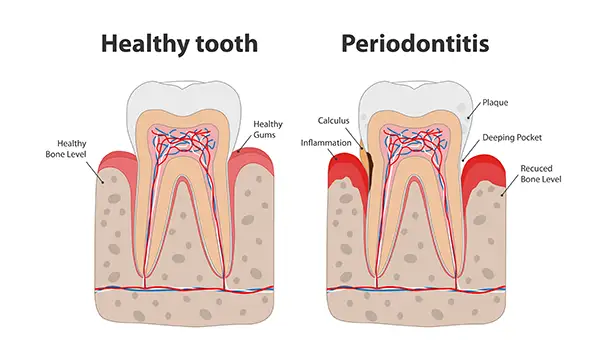 When people think about gum disease, bleeding gums and bad breath usually come to mind first. While these are common symptoms, gum disease can also present in ways that are far less obvious. Some of the more subtle signs are easy to attribute to other causes, which means they often go unreported to the dentist until the underlying condition has had time to progress. Understanding these less recognized symptoms can help patients seek care from Aesthetic Periodontal & Implant Specialists sooner. When people think about gum disease, bleeding gums and bad breath usually come to mind first. While these are common symptoms, gum disease can also present in ways that are far less obvious. Some of the more subtle signs are easy to attribute to other causes, which means they often go unreported to the dentist until the underlying condition has had time to progress. Understanding these less recognized symptoms can help patients seek care from Aesthetic Periodontal & Implant Specialists sooner.A Change In Tooth SensitivityMost people associate tooth sensitivity with cavities or worn enamel, but a sudden increase in sensitivity to hot, cold, or sweet foods can also stem from gum recession caused by periodontal disease. As gum tissue pulls away from the tooth, it exposes the root surface, which does not have the same protective enamel layer as the visible crown of the tooth. This exposed area is far more reactive to temperature changes and certain foods. Patients sometimes assume this sensitivity means they need a filling, when in fact the root cause is happening at the gumline rather than within the tooth itself. A Metallic Or Unusual TastePersistent bad breath tends to get attention, but a lingering metallic or unusual taste is a symptom that is frequently dismissed as unrelated to oral health. This taste can occur when bacteria beneath the gumline produce byproducts that affect how food and saliva taste throughout the day. Because this symptom does not feel like a typical dental problem, many patients attribute it to diet, medication, or general health rather than considering their gums as a possible source. Gums That Feel Tender To The TouchTenderness that appears only when gums are touched, rather than during brushing or eating, is another symptom that often goes unmentioned. Patients may notice this while running their tongue along the gumline or when adjusting a denture or retainer. Because the tenderness is not tied to an obvious trigger like brushing, it is easy to dismiss as a minor irritation rather than a sign of inflammation that warrants evaluation. Spontaneous Bleeding Without A Clear TriggerWhile bleeding during brushing is a widely recognized symptom, bleeding that occurs without any apparent cause is less commonly discussed and often more concerning. Some patients notice blood on a pillowcase after sleeping, or a faint blood taste that appears with no brushing or flossing involved. Spontaneous bleeding usually indicates a more advanced level of gum inflammation than bleeding that only occurs with direct stimulation, and it deserves prompt attention. Subtle Shifts In Bite Or Tooth PositionPatients rarely connect a change in how their teeth meet when biting down to gum disease, yet this can be one of the more telling signs that the disease has progressed to affect the supporting bone. A tooth that used to line up a certain way may feel slightly off, or a patient may notice new pressure points when chewing. These changes tend to happen gradually, which makes them easy to attribute to aging or simply not paying close attention, when in fact they may reflect a loss of bone support around one or more teeth. Discomfort That Comes And GoesUnlike a toothache, which tends to be persistent and sharp, gum disease discomfort is often intermittent and mild, especially in its earlier stages. Patients may notice soreness for a day or two that then seems to resolve on its own, only to return later. This on-and-off pattern can create a false sense of reassurance, since the temporary absence of discomfort does not mean the underlying inflammation has gone away. Gum Tissue That Looks Different In PhotosSome patients first notice changes in their gum tissue not by feel, but by looking back at photographs over time. A gumline that appears to sit lower on the tooth than it did a year or two earlier, or gums that look puffier in more recent pictures, can be a helpful visual cue that something has changed gradually enough to go unnoticed day to day. Comparing photos taken months or years apart can sometimes reveal recession or swelling that would otherwise be difficult to detect through everyday observation. Symptoms Noticed By Others Before The PatientOccasionally, it is a spouse, family member, or close friend who first mentions a change, rather than the patient noticing it themselves. Persistent bad breath is one of the more common examples, since a person cannot always detect their own breath the way someone standing nearby can. A family member might also comment on a smile looking different if gum recession has made teeth appear longer, even before the patient has consciously registered the change. Taking these outside observations seriously, rather than dismissing them, can prompt an evaluation sooner than it might otherwise occur. Why These Subtle Symptoms MatterGum disease is often described as a silent condition specifically because so many of its symptoms are mild, intermittent, or easy to attribute to something else. This is part of why periodontal disease can progress significantly before a patient feels that anything is seriously wrong. Recognizing that sensitivity, taste changes, tenderness, and subtle bite shifts can all be connected to gum health gives patients a broader set of signals to pay attention to, rather than waiting for more dramatic symptoms to appear. The Value Of Routine Periodontal ScreeningBecause so many symptoms of gum disease are easy to miss or misattribute, routine periodontal screening remains one of the most reliable ways to catch the condition early. During a screening, the dentist measures the depth of the space between the gum and tooth at multiple points around each tooth, providing an objective measurement that does not rely on symptoms alone. This process can identify inflammation or bone loss well before a patient notices any of the subtle signs described above. Bringing Any Changes To Your Next AppointmentPatients are often unsure whether a symptom is worth mentioning, especially when it seems minor or unrelated to dental health. Bringing up any change, however small, gives our dental team the opportunity to evaluate whether it connects to gum health. A brief conversation about a new taste, occasional tenderness, or a bite that feels slightly different can lead to an earlier diagnosis and a simpler course of treatment. Schedule A Periodontal Evaluation At Aesthetic Periodontal & Implant SpecialistsIf you have noticed any unusual changes in your mouth, even ones that seem unrelated to your gums, Aesthetic Periodontal & Implant Specialists can help determine what is happening and why. Call (210) 614-4700 to schedule an evaluation and get answers about your gum health. |
| Hours
Monday-Thursday: 7:30AM – 3:30PM Friday: By Appointment Only |
