When Good Gums Go Bad!
Posted on 5/1/2026 by Amir Hosseini, DDS |
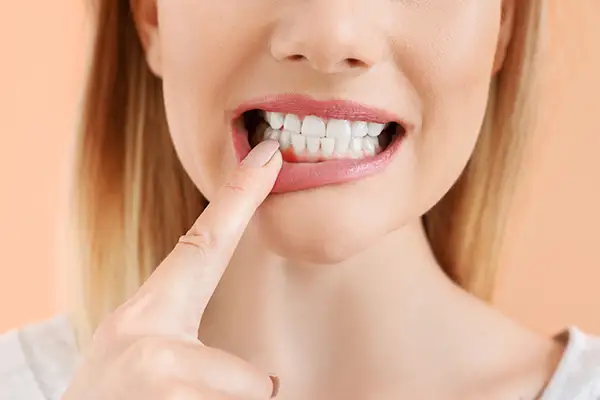 Have you ever looked in the mirror and wondered if your gums are as healthy as they should be? Gums are a crucial part of your oral health, acting like a protective seal around your teeth. When they're healthy, they're usually pink, firm, and don't bleed easily. But what happens when things go wrong? Let's explore what happens when good gums go bad and what you can do about it. Have you ever looked in the mirror and wondered if your gums are as healthy as they should be? Gums are a crucial part of your oral health, acting like a protective seal around your teeth. When they're healthy, they're usually pink, firm, and don't bleed easily. But what happens when things go wrong? Let's explore what happens when good gums go bad and what you can do about it.
The Culprits Behind Unhappy Gums
Several factors can contribute to gum problems. One of the biggest culprits is poor oral care. When you don't brush and floss regularly, plaque and tartar build up on your teeth. These substances are full of bacteria that can irritate and inflame your gums. Think of it like this: if you didn't clean your kitchen counter for weeks, it would become a breeding ground for all sorts of nasty things. The same thing happens in your mouth!
While some people think that bad teeth are the root cause of gum problems, that's not always the case. While issues with the teeth can definitely contribute to gum problems, the primary cause of gum disease is bacterial infection. Even perfectly straight, white teeth can suffer if the gums aren't healthy.
Other factors that can increase your risk of gum problems include:
| • |
Smoking or using tobacco: Tobacco weakens your immune system and makes it harder for your gums to heal. |
| • |
Certain medical conditions: Diabetes, for example, can make you more susceptible to infections, including gum disease. |
| • |
Genetics: Some people are simply more prone to gum problems than others. |
| • |
Medications: Certain medications can reduce saliva flow, leading to dry mouth, which can increase the risk of gum problems. |
Recognizing the Warning Signs
It's important to catch gum problems early, as they can worsen over time if left untreated. Here are some common signs that your gums might be in trouble:
| • |
Bleeding gums: This is often one of the first signs. If your gums bleed when you brush or floss, it's a sign that they're inflamed. |
| • |
Red, swollen, or tender gums: Healthy gums are pink and firm. If they're red, puffy, or sensitive to the touch, it's a cause for concern. |
| • |
Receding gums: This means that your gums are pulling away from your teeth, exposing more of the tooth root. This can make your teeth look longer and can also lead to sensitivity. |
| • |
Persistent bad breath: While occasional bad breath is normal, persistent bad breath that doesn't go away with brushing can be a sign of gum disease. |
| • |
Loose teeth: In advanced stages of gum disease, the supporting structures of your teeth can be damaged, causing your teeth to become loose. |
| • |
Changes in your bite: If your teeth don't fit together properly when you bite down, it could be a sign of gum disease. |
What Happens if You Ignore the Problem?
Ignoring gum problems can have serious consequences. Over time, the inflammation can damage the tissues and bone that support your teeth. This can eventually lead to tooth loss. Gum disease has also been linked to other health problems, such as heart disease, stroke, diabetes, and respiratory infections. This is why early detection and intervention is so important.
Taking Control of Your Gum Health
The good news is that you can take steps to prevent and treat gum problems. The cornerstone of healthy gums is good oral care. This means:
| • |
Brushing your teeth at least twice a day: Use a soft-bristled toothbrush and fluoride toothpaste. |
| • |
Flossing every day: Flossing removes plaque and food particles from between your teeth, where your toothbrush can't reach. |
| • |
Maintaining a healthy lifestyle: Eating a balanced diet, managing stress, and quitting smoking can all help to improve your gum health. |
By taking care of your gums, you can protect your teeth and your overall health. Remember, healthy gums are happy gums!
|
|