How Alcoholism Damages Your Oral Health
Posted on 9/1/2026 by Amir Hosseini, DDS |
Alcoholism, a chronic disease, impacts more than just a person's overall health. It can significantly damage your mouth and teeth. Understanding these risks can help you take better care of your smile. Let's explore how excessive alcohol consumption affects your oral health and what you can do to protect it.
The Dry Mouth Dilemma
One of the most common oral health problems linked to alcoholism is dry mouth, also known as xerostomia. Alcohol dehydrates the body, reducing saliva production. Saliva is vital for a healthy mouth. It washes away food particles and neutralizes acids produced by bacteria. Without enough saliva, your mouth becomes a breeding ground for bacteria, increasing the risk of tooth decay, gum disease, and fungal infections.
Increased Risk of Tooth Decay
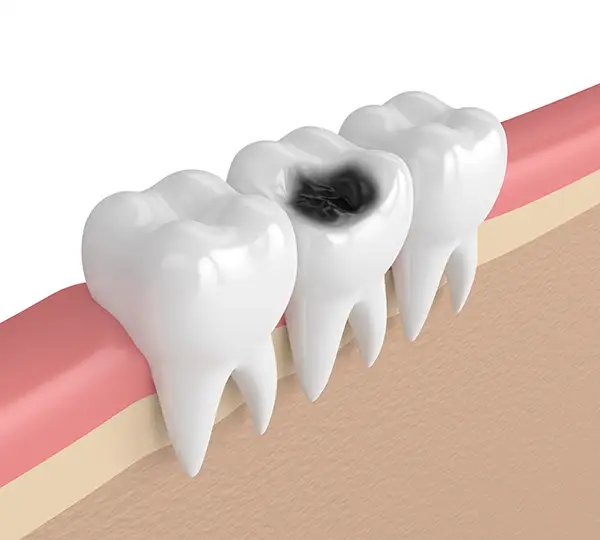 Alcoholic beverages, including beer, wine, and liquor, often contain high levels of sugar and acid. These substances erode tooth enamel, the protective outer layer of your teeth. When enamel weakens, teeth become more vulnerable to cavities. The frequent consumption of sugary and acidic alcoholic drinks creates a constant attack on your teeth, accelerating the decay process. The lack of proper oral care, often associated with alcoholism, exacerbates this problem. Alcoholic beverages, including beer, wine, and liquor, often contain high levels of sugar and acid. These substances erode tooth enamel, the protective outer layer of your teeth. When enamel weakens, teeth become more vulnerable to cavities. The frequent consumption of sugary and acidic alcoholic drinks creates a constant attack on your teeth, accelerating the decay process. The lack of proper oral care, often associated with alcoholism, exacerbates this problem.
Gum Disease: A Serious Concern
Gum disease, also called periodontal disease, is an infection of the gums and bone that support your teeth. Alcoholism increases the risk of developing gum disease due to several factors. Reduced saliva flow allows bacteria to thrive, leading to inflammation and infection. Additionally, alcohol can weaken the immune system, making it harder for the body to fight off gum infections. Untreated gum disease can lead to tooth loss and other serious health problems.
Oral Cancer Connection
Heavy alcohol consumption is a significant risk factor for oral cancer. Alcohol irritates the tissues in the mouth and throat, making them more susceptible to cancerous changes. When combined with tobacco use, the risk of oral cancer increases dramatically. Regular dental check-ups are crucial for early detection of any suspicious lesions or abnormalities.
Addressing the Issue: Prevention Dentistry
Maintaining good oral hygiene is essential, especially for individuals struggling with alcoholism. This includes brushing your teeth at least twice a day with fluoride toothpaste and flossing daily. Rinsing with an alcohol-free mouthwash can also help to remove bacteria and freshen breath.
Regular dental visits are vital for early detection and management of oral health problems. A dentist can identify signs of tooth decay, gum disease, and oral cancer, providing timely treatment to prevent further damage.
For individuals seeking help with alcoholism, various resources are available. Addressing the underlying addiction is crucial for improving both overall health and oral well-being.
Taking proactive steps to protect your oral health is essential, regardless of your alcohol consumption habits. By understanding the risks associated with alcoholism and prioritizing prevention dentistry, you can maintain a healthy and beautiful smile for years to come.
|
|