Periodontist and Dental Implants in San Antonio, TX Stone Oak, Alamo Ranch, Pleasanton
Why Gingivitis Doesn't Always Hurt Until Later Stages
Posted on 8/3/2026 by Amir Hosseini, DDS
Have you ever wondered why your gums might bleed when you brush, but you don't feel any pain? It's a common question, and the answer lies in understanding how gum disease, specifically gingivitis, develops. Often, the early stages of gingivitis can be sneaky, progressing without causing noticeable discomfort. This is why understanding and prioritizing your oral care routine is so important.
The Silent Threat of Gingivitis
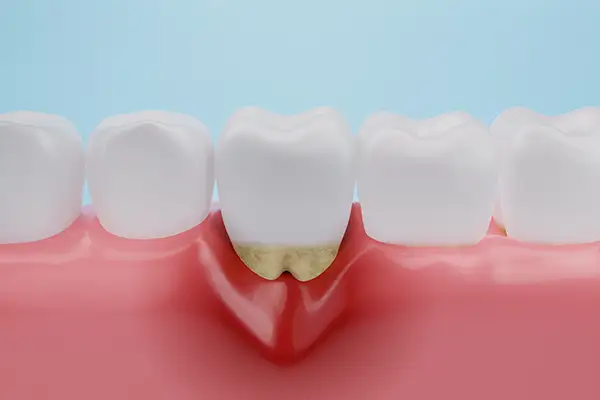
Gingivitis is inflammation of the gums. It's typically caused by the buildup of plaque and bacteria along the gum line. Plaque is that sticky film that constantly forms on your teeth. When plaque isn't removed through regular brushing and flossing, it hardens into tartar (also known as calculus). Tartar is much more difficult to remove and creates an even rougher surface for bacteria to cling to.
So, why doesn't this bacterial party hurt right away? The early stages of gingivitis involve inflammation, which your body initiates to fight off the bacteria. The gums might become redder, swollen, and more prone to bleeding during brushing or flossing. However, the inflammation itself often doesn't trigger pain signals until it becomes more severe. Think of it like a small paper cut – it might sting briefly, but it's often not truly painful. Early gingivitis is similar; your gums are irritated, but the irritation may not be strong enough to register as significant pain.
The Progression of Gum Disease
If gingivitis is left untreated, it can progress to periodontitis, a more advanced form of gum disease. Periodontitis involves the destruction of the tissues and bone that support your teeth. As the disease progresses, the gums begin to pull away from the teeth, forming pockets that become infected.
It’s during this later stage that pain becomes more common. Deeper infections and bone loss can lead to tooth sensitivity, pain when chewing, and even loose teeth. The immune system's response becomes more aggressive, causing more significant inflammation and tissue damage. It's like that paper cut getting infected and becoming increasingly sore.
The Importance of Prevention Dentistry
The good news is that gingivitis is usually reversible with proper oral care and professional cleanings. This is where prevention dentistry plays a vital role. Consistent oral care at home is key. This includes:
•
Brushing your teeth at least twice a day with fluoride toothpaste. Make sure to brush gently along the gum line.
•
Flossing daily to remove plaque and food particles from between your teeth.
•
Using an antimicrobial mouthwash to help kill bacteria.
Regular check-ups and cleanings with a dental professional are equally important. Your dentist or hygienist can remove tartar buildup and identify early signs of gingivitis before they become a bigger problem. They can also provide personalized advice on how to improve your oral hygiene routine.
Taking Control of Your Oral Health
Don't wait for pain to be your guide. By understanding the silent nature of early gingivitis and prioritizing prevention dentistry, you can take control of your oral health and protect your gums and teeth for years to come. Remember, a little effort each day can make a big difference in preventing gum disease and maintaining a healthy, confident smile.
Dental Blog - San Antonio • Aesthetic Periodontal & Implant Specialists We post dental blogs to pique your interest and educate our San Antonio community about topics related to dentistry, dental implants, and oral health. Aesthetic Periodontal & Implant Specialists, 1130 E Sonterra Blvd, STE 120, San Antonio, TX 78258 ^ (210) 614-4700 ^ aestheticperiodontist.com ^ 10/20/2026 ^ Related Phrases: Dental Implants San Antonio TX ^


 Have you ever wondered why your gums might bleed when you brush, but you don't feel any pain? It's a common question, and the answer lies in understanding how gum disease, specifically gingivitis, develops. Often, the early stages of gingivitis can be sneaky, progressing without causing noticeable discomfort. This is why understanding and prioritizing your oral care routine is so important.