Bruxism - Knowing The Basics
Posted on 7/1/2026 by Amir Hosseini, DDS |
 Have you ever woken up with a sore jaw or a dull headache? Do you catch yourself clenching your teeth during the day without even realizing it? You might be experiencing bruxism, a condition that affects many people, often without them knowing it. Let's explore the basics of bruxism and how it can impact your oral care and overall well-being. Have you ever woken up with a sore jaw or a dull headache? Do you catch yourself clenching your teeth during the day without even realizing it? You might be experiencing bruxism, a condition that affects many people, often without them knowing it. Let's explore the basics of bruxism and how it can impact your oral care and overall well-being.
What is Bruxism?
Bruxism is the medical term for grinding or clenching your teeth. It can happen while you're awake (awake bruxism) or asleep (sleep bruxism). While occasional teeth grinding might not cause any harm, regular, persistent bruxism can lead to a variety of dental and health issues.
Why Does Bruxism Happen?
The exact cause of bruxism isn't always clear, but it's often linked to a combination of factors. Stress and anxiety are major contributors. When you're stressed, you might unconsciously clench your jaw or grind your teeth as a way to release tension. Other potential causes include:
| • |
Malocclusion: This means your teeth aren't properly aligned. |
| • |
Sleep Disorders: Conditions like sleep apnea are sometimes associated with bruxism. |
| • |
Certain Medications: Some antidepressants and other medications can increase the risk of teeth grinding. |
| • |
Lifestyle Factors: Caffeine, alcohol, and tobacco use have been linked to bruxism. |
What Are the Signs and Symptoms?
Bruxism can manifest in different ways, and you might not even realize you're doing it, especially if it happens while you sleep. Common signs and symptoms include:
| • |
Jaw Pain or Soreness: This is often felt in the morning or after long periods of concentration. |
| • |
Headaches: Especially dull, aching headaches that originate in the temples. |
| • |
Earaches: The jaw muscles are close to the ears, so grinding can sometimes cause ear pain. |
| • |
Tooth Sensitivity: Grinding can wear down the enamel, making your teeth more sensitive to hot and cold. |
| • |
Flattened, Chipped, or Loose Teeth: This is a sign of long-term teeth grinding. |
| • |
Worn Tooth Enamel: Your dentist can often spot this during a routine check-up. |
| • |
Indentations on Your Tongue: These are caused by pressing your tongue against your teeth. |
| • |
Clicking or Popping Jaw Joint: This could indicate temporomandibular joint (TMJ) disorder, which can be related to bruxism. |
How Can Bruxism Affect Your Oral Health?
Persistent bruxism can have a significant impact on your oral health. It can lead to:
| • |
Tooth Damage: Grinding wears down the enamel, increasing the risk of cavities and tooth fractures. |
| • |
Gum Recession: The pressure from grinding can contribute to gum recession, exposing the roots of your teeth. |
| • |
TMJ Disorders: Bruxism can strain the temporomandibular joint, leading to pain and dysfunction. |
| • |
Facial Pain: Chronic teeth grinding can cause muscle fatigue and pain in the face and neck. |
What Can You Do About Bruxism?
While there's no single cure for bruxism, there are several things you can do to manage it and protect your teeth.
| • |
Stress Management: Practice relaxation techniques like meditation, yoga, or deep breathing exercises. |
| • |
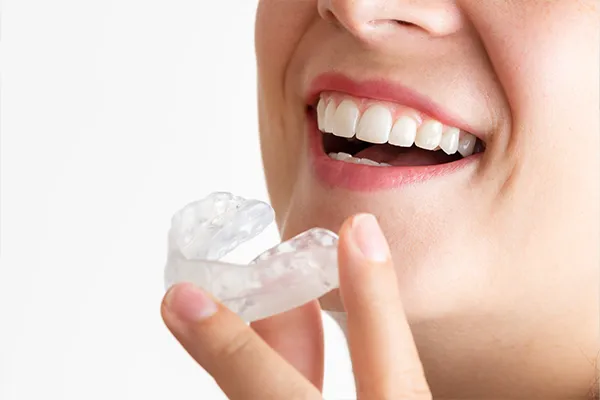
Mouthguards: A custom-fitted mouthguard can protect your teeth from grinding during sleep. |
| • |
Lifestyle Changes: Reduce caffeine and alcohol consumption, and quit smoking. |
| • |
Jaw Exercises: Your dentist or physical therapist can recommend exercises to strengthen and relax your jaw muscles. |
| • |
Good Oral Care: Maintain excellent oral hygiene by brushing and flossing regularly. |
Prevention Dentistry and Bruxism
Regular dental check-ups are crucial for identifying and managing bruxism. Your dentist can spot early signs of teeth grinding and recommend appropriate strategies to protect your teeth. Early intervention can prevent more serious dental problems down the road. Prevention dentistry also includes patient education, so you are empowered to take control of your oral health.
Bruxism is a common condition that can have a significant impact on your oral health and overall well-being. By understanding the causes, symptoms, and management strategies, you can take steps to protect your teeth and improve your quality of life. If you suspect you might have bruxism, talk to your dentist for a thorough evaluation and personalized recommendations.
|
|